NEC Reference Metallic Boxes
(3) Support Fittings Fill. Where one or more luminaire studs or hickeys are present in the box, a single volume allowance in accordance with Table 314.16(B) shall be made for each type of fitting based on
NEC Working Clearance Requirements: A Visual Guide (110.26)
A visual guide to NEC 110.26 working space requirements. Understand the required depth, width, and height clearances for panels, switchgear, and transformers.
Electrical Clearances: Requirements and Safe Distances
Electrical clearances are the minimum separation distances the National Electrical Code (NEC) requires between wiring, panels, overhead conductors, and everything around them. These
110 RC Requirements for Electrical Installations
Condition 1—Exposed live parts on one side of the working space and no live or grounded parts, including concrete, brick, or tile walls are on the other side of the working space.
314.20 Flush-Mounted Installations.
In walls and ceilings constructed of wood or other combustible surface material, boxes, plaster rings, extension rings, or listed extenders shall be flush with the finished surface or project therefrom.
Stumped by the Code? NEC Requirements for Flush-Mounted Boxes
Gaps around boxes that are recessed in noncombustible surfaces (such as plaster, drywall, or plasterboard) must be repaired so there will be no gap greater than 1⁄8 in. at the edge of
Fire-Resistive Walls and Electrical Boxes
There is a maximum allowable gap of 1/8 inch between the edge of the gypsum board and the box itself, plus the surface area of the box is limited to 16 square inches.
The installation requirements for the distribution box
In this guide, we''ll break down everything you need to know to install a distribution box correctly and confidently. Choose the right box based on environment (indoor/outdoor), load
Clearances and Location Requirements for Enclosures, Pads, and
Retaining walls are required when PG&E determines that it is necessary to protect equipment or enclosures against landslides, drainage wash, drifting sands, etc.
Article 370
In walls or ceilings constructed of noncombustible material (concrete, tile, etc.), boxes must be installed so that the front edge will not be set back more than 1/4 inch from the finished surface.
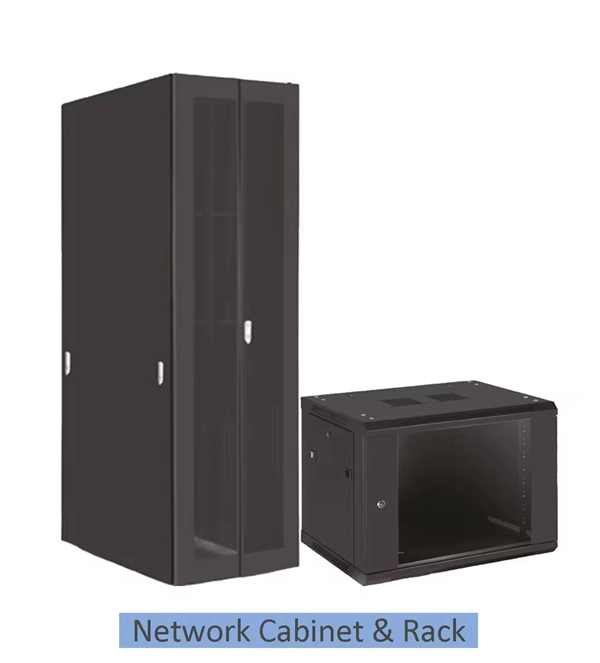
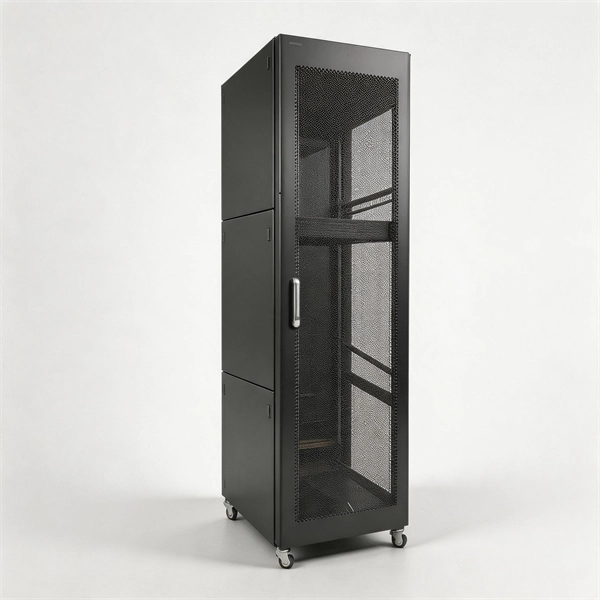
Telecom Racks & Cabinets
19-inch racks, wall-mount cabinets, open frames with high load capacity and seismic rating.
Outdoor Climate Cabinets
IP55/IP66 outdoor enclosures with integrated cooling/heating, -40°C to +55°C operation.
Smart PDUs & Power Distribution
Intelligent PDUs with remote monitoring, per-outlet switching, and environmental sensors.
Shelters & Network Cabinets
Prefabricated telecom shelters, emergency comms shelters, and network cabinets with cable management.