Lab 8: Polarization of Light
Not all sources of light are polarized; for instance, light from an ordinary light bulb is not polarized. In addition to unpolarized light, there is partially polarized light and totally polarized light.
Photoelastic modulator
A photoelastic modulator (PEM) is an optical device used to modulate the polarization of a light source. The photoelastic effect is used to change the birefringence of the optical element in the photoelastic modulator. PEM was first invented by J. Badoz in the 1960s and originally called a "birefringence modulator." It was initially developed for physical measurements including optical rotary dispersion and Faraday rotation, polarimetry
PEM Technical Overview
If the optical element is relaxed, the light passes through with the polarization unchanged. If the optical element is stressed, the polarization components parallel or perpendicular
Light Intensity Modulation Using a PEM
When the linearly polarized incident light passes through this optical element, the two orthogonal components of the incident light, one parallel and the other perpendicular to the PEM optical axis,
Photoelastic modulator explained
A photoelastic modulator (PEM) is an optical device used to modulate the polarization of a light source. The photoelastic effect is used to change the birefringence of the optical element in the photoelastic
Photoelastic Modulators (PEMs)
A Photoelastic Modulator (PEM) is an optical device that modulates the polarisation of light to gain information about mechanical stresses in materials. This is achieved by using photoelastic material
Photoelastic_modulator
A photoelastic modulator (PEM) is an optical device used to modulate the polarization of a light source. The photoelastic effect is used to change the birefringence of the optical element in the photoelastic
Physics:Photoelastic modulator
A photoelastic modulator (PEM) is an optical device used to modulate the polarization of a light source. The photoelastic effect is used to change the birefringence of the optical element in the
PEM Applications in Polarization Modulation
The photoelastic modulators (PEMs) are polarization modulation devices. The PEM is typically used as the key component for generating modulated polarization states of light in an integrated instrument.

Photo-elastic modulator (PEM)
Photo-elastic modulators enable high sensitivity polarimetry via the high frequency (f~50 kHz) modulation of the light polarization. The operation of the PEM is based on the photoelastic effect.
Telecom Racks & Cabinets
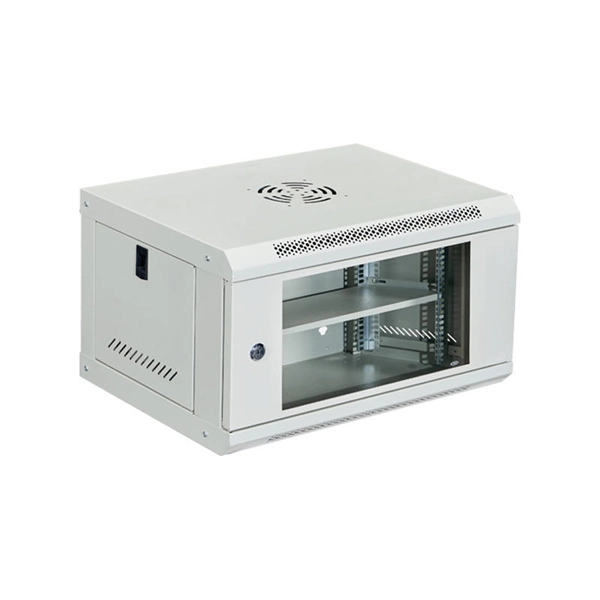
19-inch racks, wall-mount cabinets, open frames with high load capacity and seismic rating.
Outdoor Climate Cabinets
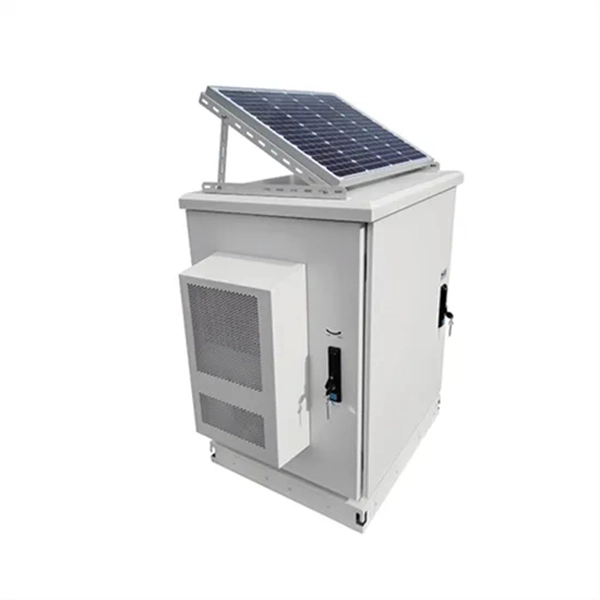
IP55/IP66 outdoor enclosures with integrated cooling/heating, -40°C to +55°C operation.
Smart PDUs & Power Distribution
Intelligent PDUs with remote monitoring, per-outlet switching, and environmental sensors.
Shelters & Network Cabinets
Prefabricated telecom shelters, emergency comms shelters, and network cabinets with cable management.