Fiber vs. Microwave: Key Differences in Backhaul Connectivity
Compare optical fiber and microwave technologies for backhaul networks, covering capacity, cost, deployment, terrain, climate effects, and regulation.
Radio and Microwave Over Fiber
With radio or microwave over fiber technology, one can place a simple optical receiver and microwave power amplifier next to the antenna, while having all of the other electronics at the bottom.
Fiber Optic Cables vs Microwave Connections: A Comparison
Learn what distinguishes a fiber optic cable from a microwave connection in optical engineering, and how they impact your data transmission performance, reliability, and cost.
Radio and Microwave Over Fiber
Each offers unique advantages and drawbacks, making the choice between them a critical decision for businesses and individuals alike. This comprehensive comparison will delve into
Breaking Down Microwave vs Fibre Backhaul: Which Is The Future of
When it comes to backhaul, two dominant technologies vie for supremacy: microwave and fiber. The choice between microwave vs fibre backhaul depends on a variety of factors, including
Microwave Vs Fiber Optic: What Are The Main Differences And
Each offers unique advantages and drawbacks, making the choice between them a critical decision for businesses and individuals alike. This comprehensive comparison will delve into
5G network: fibre optics vs microwave
Internationally, the share of microwave links was 68% in 2017, compared with 26% for fibre optics. It is estimated that this share will decrease to 57% by 2025, while fibre links will increase to 40%.
Fiber vs. microwave backhaul: A comprehensive comparison
Two prevalent methods for backhauling data—transmitting data from remote sites to central points—are fiber optic and microwave backhaul. Each technology has its unique advantages,
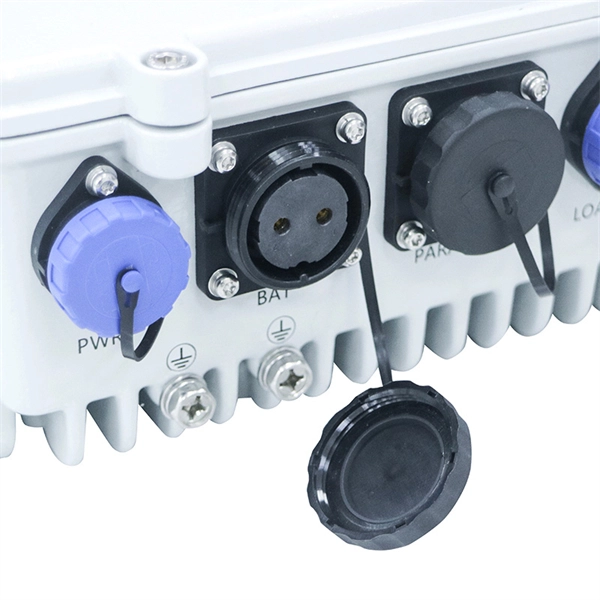
Microwave vs Fiberv
Comparison between Microwave and Fiber Optic Wireless subscribers are consuming more content than ever and operators/Industries are now evaluating backhaul technologies that can meet the
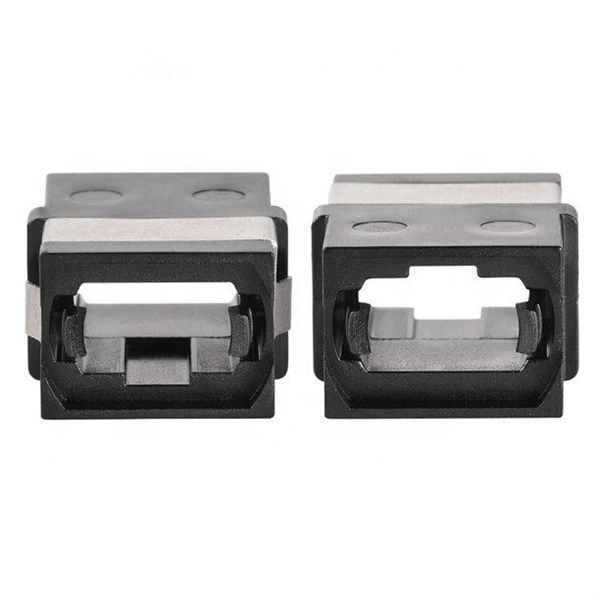
Optical fiber vs. microwave link for point-to-point communication
Optical fiber provides higher bandwidth, lower latency, and greater immunity to electromagnetic interference compared to microwave links in point-to-point communication. Microwave links offer cost
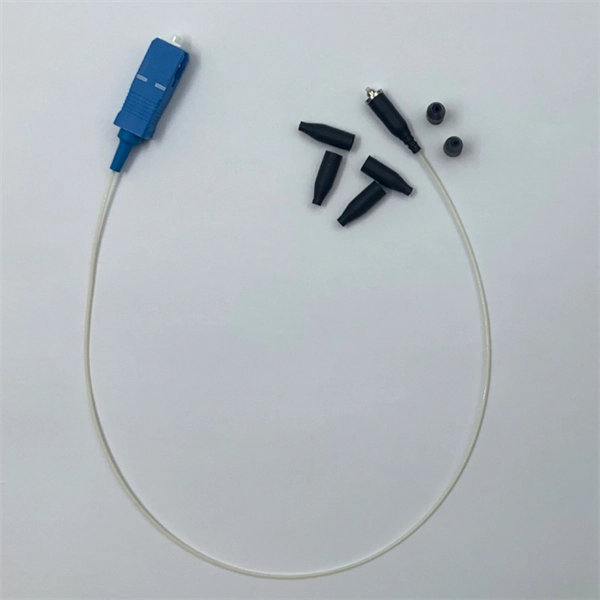
Fiber vs. Microwave Backhaul: Tradeoffs for Rural and Urban
Two prevalent backhaul technologies are fiber and microwave, each with its own set of advantages and challenges. In this blog, we will explore the tradeoffs involved when deploying these
Telecom Racks & Cabinets
19-inch racks, wall-mount cabinets, open frames with high load capacity and seismic rating.
Outdoor Climate Cabinets
IP55/IP66 outdoor enclosures with integrated cooling/heating, -40°C to +55°C operation.
Smart PDUs & Power Distribution
Intelligent PDUs with remote monitoring, per-outlet switching, and environmental sensors.
Shelters & Network Cabinets
Prefabricated telecom shelters, emergency comms shelters, and network cabinets with cable management.