FIBER OPTIC CONSTRUCTION STANDARDS
Fiber optic cable sequential numbers are required at each pole location and vault wall. Sequential numbers will identify conduit length, and slack left in vaults and at poles.
Table 1: Basic Minimum Allowable Vertical Clearance of Wires
sponding clearances shall be based upon the high water level. for other waters, the surface area shall be that enclosed by its annual flood level. the clearance over rivers, streams and canals shall be based

FOR Overhead Electric Line Construction
These rules apply to all overhead electrical supply and communication facilities that come within the jurisdiction of this Commission, located outside of buildings, including facilities that belong to non

General Order 95 Clearance Requirements
Supply cables and messengers - Rule 57.4–B2 Communication guys - Rule 86.4–B2 Communication cables and messengers - Rule 87.4–B2 May be reduced depending on height of trolley contact
Summary of NESC Clearances to Communication Cables see
** Fiber Optic Cables in the supply space (Rule 224A) will have the same required clearance to communication cables in the communication space as a multi-grounded neutral (Rule 235C)
43 Tex. Admin. Code § 21.41
The minimum vertical clearance above the highway at the largest vertical sag of the line is 22 feet for electric lines, and 18 feet for communication and cable television lines.
go 95 rule 86.4
(1) Which Transport Freight Cars: The clearance specified in Table 1, Case 1, Column A (25 feet) is based upon the maximum height of standard freight cars, 15 feet 6 inches from top of rail
Original GO95
(1) Crossing In Spans: At points of crossing, vertical clearances not less than 18 inches as specified in Table 2, Case 1, Column A, and radial clearances of not less than 12 inches, shall be maintained
WISCONSIN PUBLIC SERVICE ELECTRIC DISTRIBUTION
For wire, conductors, or cables crossing over mine, logging and similar railways which handle only cars lower than standard freight cars, the clearance may be reduced by an amount equal to the difference
DS-13-2_5P3
For the purpose of this Rule, trucks are defined as any vehicle exceeding 8'' in height. Areas not subject to truck traffic are areas where truck traffic is not normally encountered nor reasonably anticipated.

What Is the Minimum Height for Telephone Lines?
For communication lines crossing public streets, highways, commercial driveways, and parking lots, the minimum vertical clearance is often set at 15.5 feet to 16 feet.
WAC 468-34-290
(1) The minimum height of highway crossing shall be measured from the point of the roadway directly under the crossing. (2) The minimum height of longitudinal lines shall be measured from ground line.
Minimum Height for Power Lines: Rules and Clearances
Learn how high power lines need to be over roads, buildings, water, and worksites, and what to do if a line looks too low.
Telecom Racks & Cabinets
19-inch racks, wall-mount cabinets, open frames with high load capacity and seismic rating.
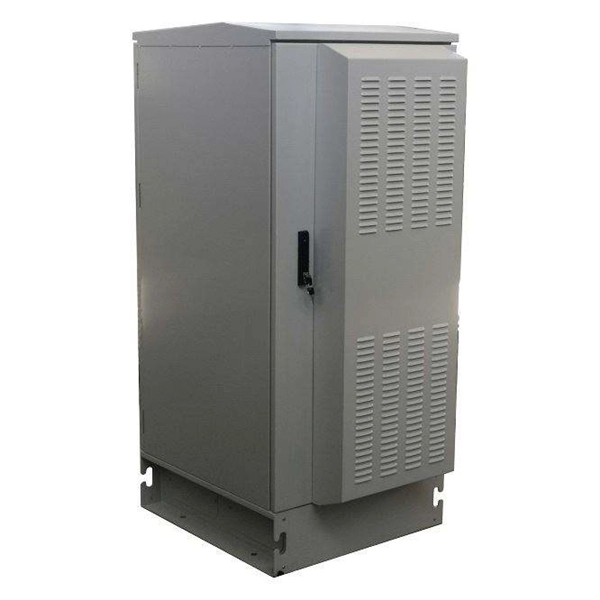
Outdoor Climate Cabinets
IP55/IP66 outdoor enclosures with integrated cooling/heating, -40°C to +55°C operation.
Smart PDUs & Power Distribution
Intelligent PDUs with remote monitoring, per-outlet switching, and environmental sensors.
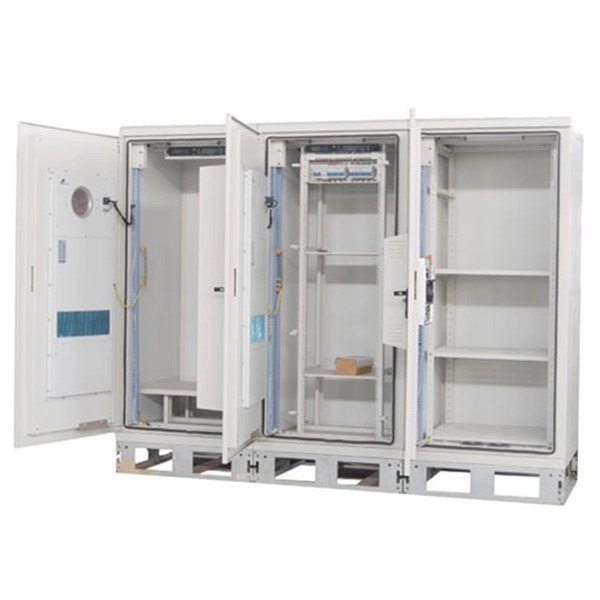
Shelters & Network Cabinets
Prefabricated telecom shelters, emergency comms shelters, and network cabinets with cable management.