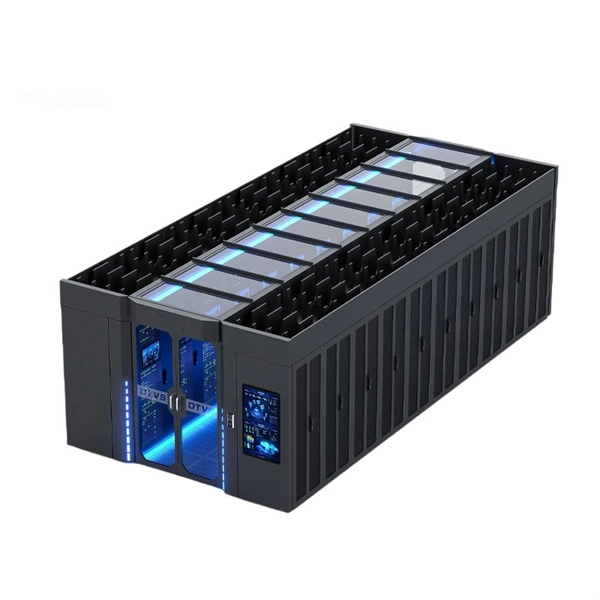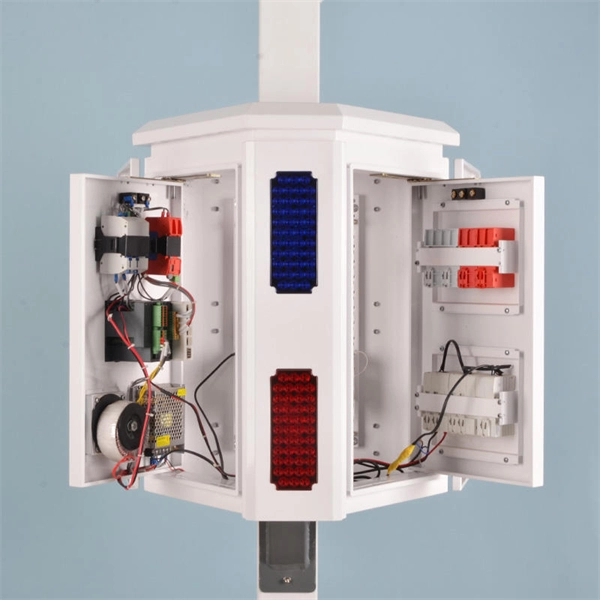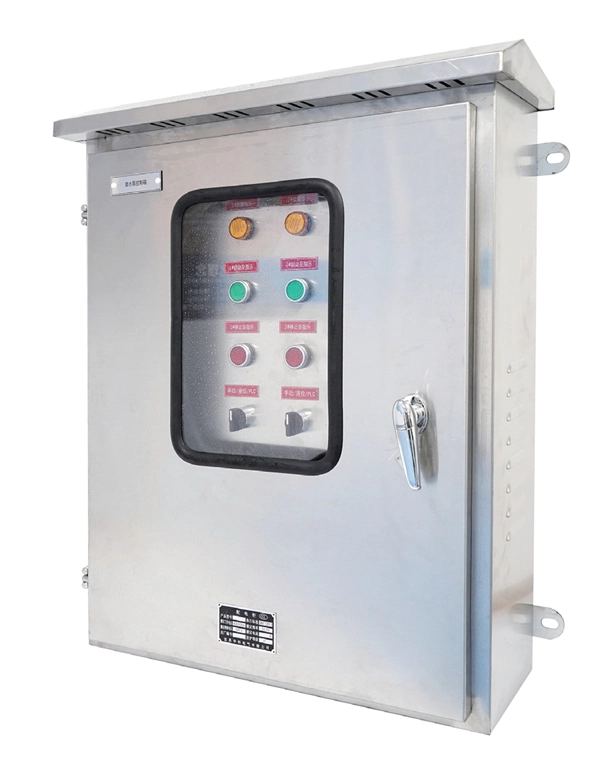
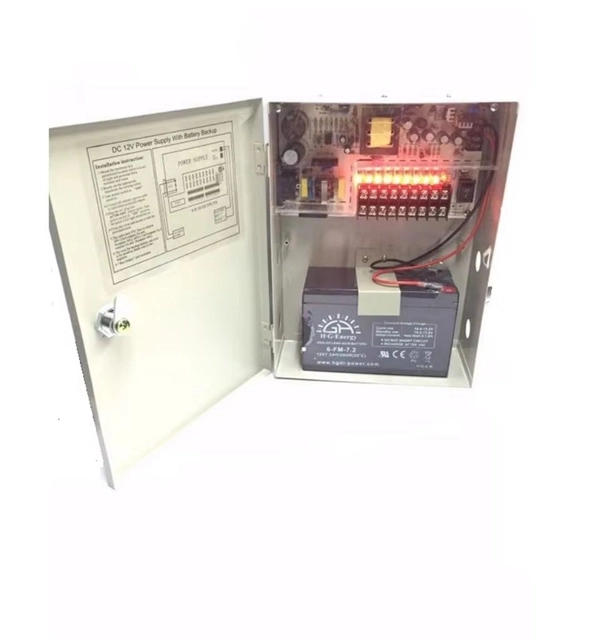
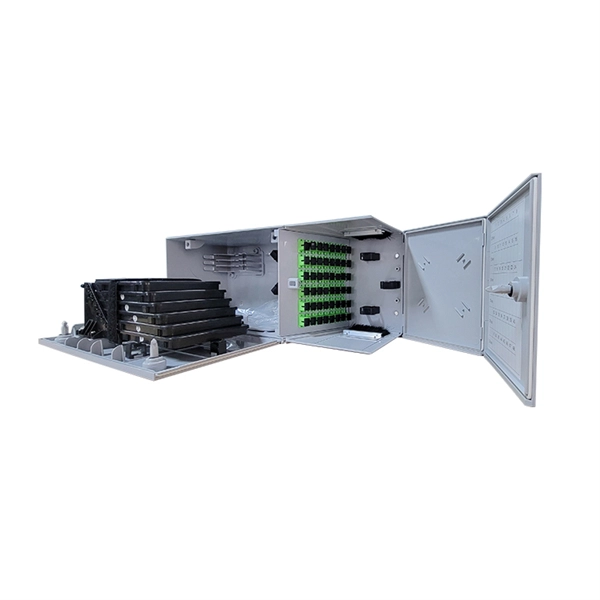
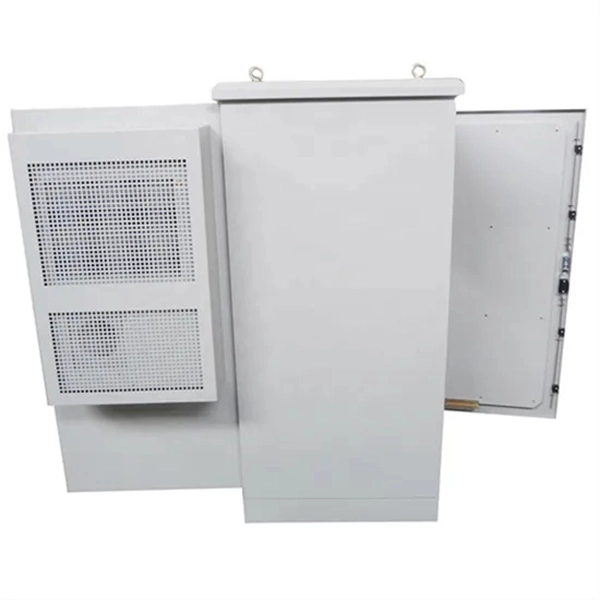
What Is a Distribution Box?A distribution box, also known as a power distribution unit, is a critical component in any electrical system. It is the control center for electricity in your home or business. It takes the electrical power coming into the building and distributes it to different circuits. Each circuit then powers various devices and appliances. With the electrical flow, safety is almost impossible.What Is a Distribution Box?A distribution box, also known as a power distribution unit, is a critical component in any electrical system. It is the control center for electricity in your home or business. It takes the electrical power coming into the building and distributes it to different circuits. Each circuit then powers various devices and appliances. With the electrical flow, safety is almost impossible.Why Proper Installation MattersInstalling a distribution box correctly is about more than just making sure the lights turn on. It's about safety, efficiency, and reliability. A poorly installed distribution box can lead to a host of problems. These include electrical fires, short circuits, and even complete power failures. Proper installation ensures that your electrical system runs smoothly and safely for years. It also helps in preventing costly repairs or dangerous situations down the line. In this article, we'll explai. A distribution boxis a crucial part of any electrical system. It's divided into two main sections that work together to keep everything running smoothly and safely.Understanding Types and ModelsWhen choosing a distribution box, it's essential to know that not all boxes are identical. There are different types, each designed for specific needs. For example, small power distribution boxes are perfect for homes. They handle everyday electrical loads and keep things running smoothly. Conversely, industrial distribution boxes are built for heavy-duty tasks. They are used in factories or large buildings where the electrical demand is much higher. So, how do you pick the right one? It all. Material and Construction ConsiderationsOnce you've chosen the type, the next step is to look at the materials. The material of the distribution box plays a big role in its durability. A high-quality box is usually made of steel. Why steel? Because it's strong, resistant to damage, and can withstand the test of time. Steel boxes also often have a protective coating that prevents rust and corrosion. This is especially important if the box will be exposed to moisture or harsh conditions. Construction quality is just as important. A w. Safety and AccessibilityThe location of a distribution box is key. You want it in a safe, dry, and easy-to-reach spot. Why? Because water and electricity don't mix. If the box gets wet, it can cause serious problems, like short circuits or fires. That's why you should always choose a dry area, away from water sources like sinks, showers, or outdoor exposure. Accessibility is just as important. You'll need to check on the box from time to time, whether it's for routine maintenance or in an emergency. Placing it in an. Standard Installation Heights and PositionsThe height at which you install your distribution box matters, too. For most homes, the standard height is around 1.5 meters (about 5 feet) from the ground. This height is comfortable for most people to access without straining. It also keeps the box out of reach of small children, adding an extra layer of safety. The guidelines differ slightly in industrial settings. The box needs to be higher here, especially if it's in an area with a lot of foot traffic or machinery. The general rule is to. Grounding and Neutral ConnectionsProper grounding is essential for electrical safety, as it keeps everyone safe by preventing electrical shocks. It works by directing any stray electricity safely into the ground instead of letting it build up and cause harm. So, when you install a distribution box, make sure all metal parts are correctly grounded, including the box itself and any metal components inside. Neutral connections are just as important. The neutral wire carries electricity back to the source after it has powered yo. Proper Wiring TechniquesWiring inside the distribution box needs to be neat and organized. Messy wiring isn't just ugly; it's dangerous. Tangled or improperly placed wires can cause short circuits. Start by cutting wires to the right length. They should reach their connection points in a way that is tight enough and tight enough. Next, focus on insulation. Every wire should be well-insulated to prevent accidental contact with other wires or metal parts. This helps avoid short circuits and other electrical issues. Fi. Installation of Protective Devices.